A local search reader for Berlin
I work with Berlin businesses that already have a website, profiles, reviews, and some local reputation, but still struggle to appear in AI-generated answers. My work sits between local SEO, bilingual content, entity cleanup, and the small trust signals Berliners use before they contact anyone. The useful clues are often ordinary: district wording, review phrasing, opening rhythm, and whether the service sounds plausible to someone crossing the city.
About Jonah
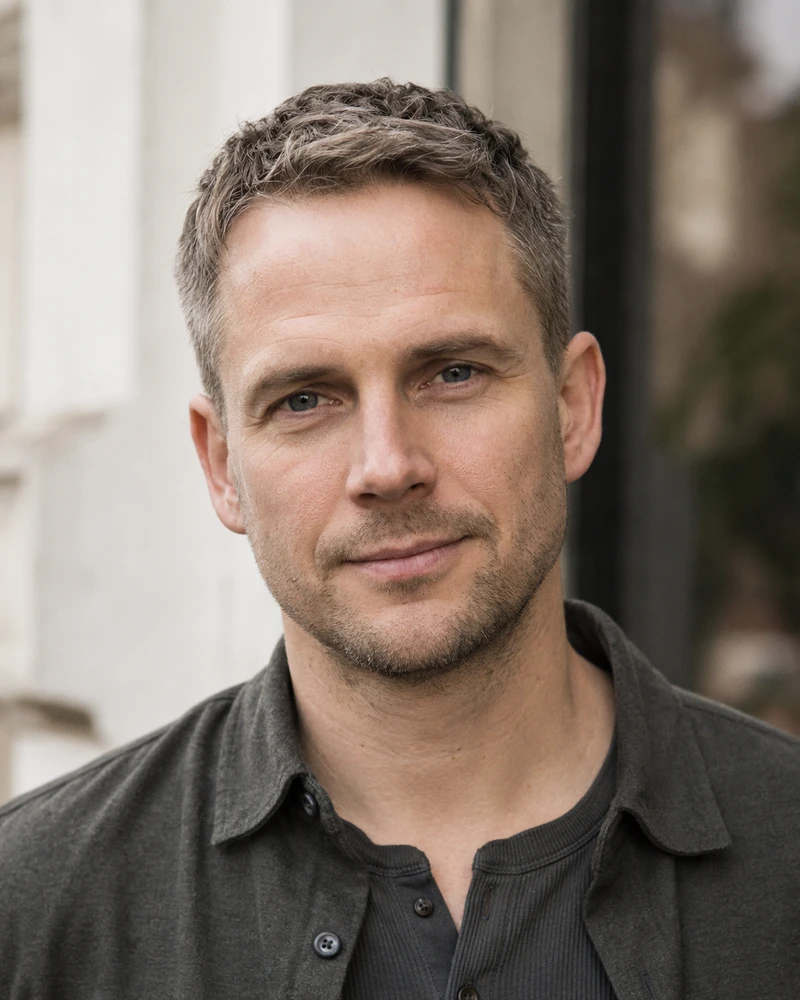
If AI cannot place you in Berlin properly, it will place you somewhere flatter, safer, and usually wrong.
Outside a café near Hermannplatz, I once watched three people compare places on three phones in two languages. One asked in German for somewhere "in der Nähe," one searched in English for a laptop-friendly café, and one checked reviews like they were reading a Mietvertrag. Same street, same category, three different versions of trust. That is where I first started paying attention to AI visibility: a Berlin problem with machine-readable edges, visible in the small pause before someone decides where to go.
I grew up in northern Germany and moved to Berlin as a young adult, first doing local advertising work, then local search audits, then multilingual website restructuring for small operators and service firms. Berlin trained me to distrust generic categories. Prenzlauer Berg parents often read for reliability before style. Kreuzberg residents notice when language sounds imported from a marketing deck. Charlottenburg still gives weight to polish, opening discipline, and the feeling that someone will actually answer. In Wedding, a business can be loved on one block and invisible two U-Bahn stops away. Even the small German phrases matter: "Termin nach Vereinbarung," "Kiez," "barrierearm," "ohne Schnickschnack." AI systems do not understand all of that like a Berliner does, but they do pick up fragments if the evidence is clear enough.
Before AI search became the phrase people used, I was already mapping review patterns for hospitality operators, rewriting bilingual service pages, cleaning up local citations, and helping professional firms explain themselves in ways a real customer would recognise. Now I am strongest at seeing the gap between how a business describes itself and how AI systems might classify, cite, compress, or ignore it. My position is plain: in Berlin, AI search visibility is local trust translated into evidence. The work is technical enough to matter, while the starting point is always a person asking from a district, in a language, with a reason to hesitate.
Path into the niche
- 2010–2013
Local advertising groundwork
Worked on small business campaigns where the hard part was reach, wording, and matching the offer to how locals described the need.
- 2014–2016
Neighborhood search audits
Started auditing maps, directories, website copy, and review language for shops and service providers across different Berlin districts.
- 2017–2019
Bilingual web restructuring
Helped multilingual operators separate German resident intent from English newcomer intent, so the same service could be explained without flattening either audience.
- 2020–2022
Review and citation mapping
Mapped how proof sources, directory mentions, and customer phrases affected local comparison behavior before a call or booking.
- 2023
AI answer watching
Began comparing how AI systems compressed Berlin business categories, especially where district, language, and trust cues changed the answer.
- 2024
Berlin AI visibility advisory
Focused the work on audits, entity cleanup, bilingual AI SEO plans, and extraction-ready local service pages for Berlin SMEs.
Let Berlin context do more work in your visibility.
I look at the traces your business already leaves online, then show where AI systems may be misreading, thinning, or skipping them.
Send a visibility question